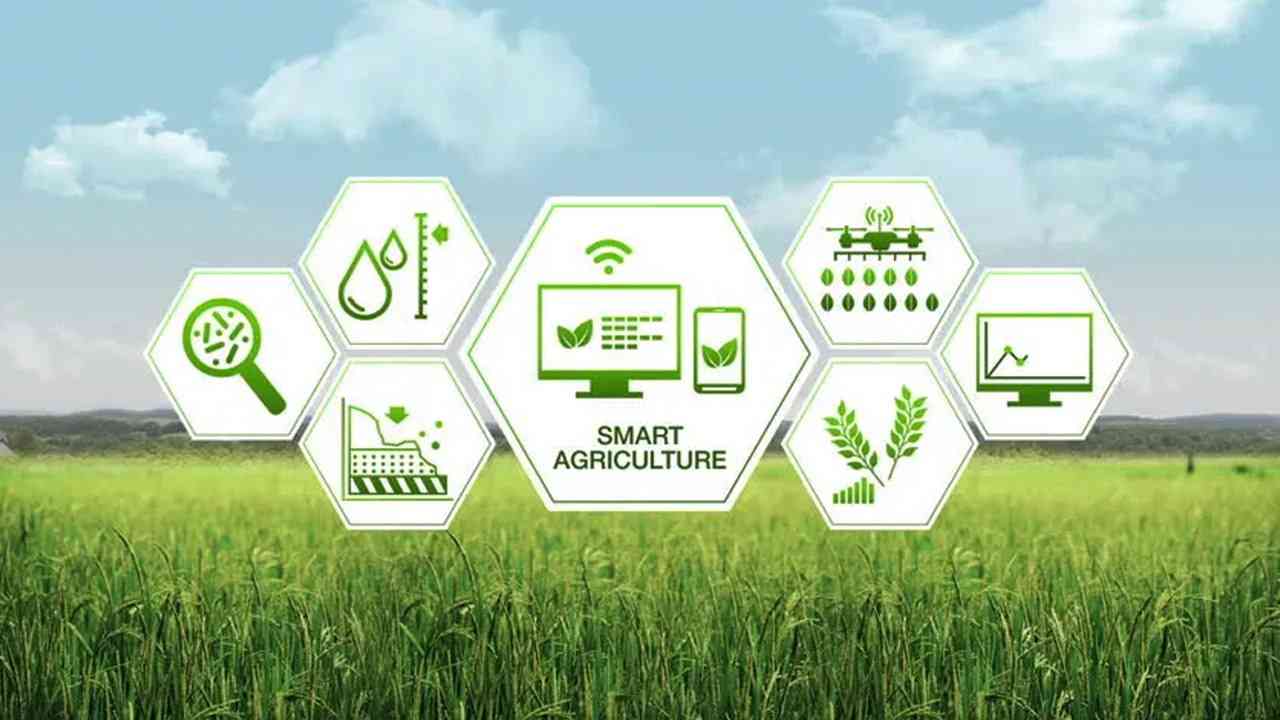
As the 2026 Union Budget concludes, one thing is clear: the image of the Indian farmer is undergoing a high-tech makeover. Gone are the days when agriculture was solely dependent on “monsoon hopes.” Today, it’s about data, drones, and diversification.
With a “historic” allocation of ₹1.63 lakh crore for the agriculture and allied sectors in the 2026-27 Budget, the government is betting big on making “Bharat” the food provider for the world. But beyond the numbers, what are the actual shifts happening on the ground? From AI advisors to “Sandalwood” startups, here are the trends defining Indian agriculture this year.
1. AI in the Field: Bharat-VISTAAR
The standout announcement this session was Bharat-VISTAAR (Virtually Integrated System to Access Agricultural Resources). This isn’t just another portal; it’s a multilingual AI platform that integrates the AgriStack (digital land records) with the ICAR‘s massive research database.
- The Impact: Farmers can now receive real-time, AI-driven advisory on their smartphones—detecting pests from a photo or receiving precise “what to sow” advice based on hyper-local satellite soil data.
- Ref: See the PIB release on AI transforming agriculture.
2. The “Drone Didi” & Mechanization Surge
Drones have officially moved from “cool tech” to “essential equipment.” With the expansion of the NAMO Drone Didi scheme, thousands of rural women are being trained as drone pilots for precision spraying.
- Efficiency Gains: Using a drone-enabled sprayer reduces chemical waste by up to 70-90% compared to traditional methods.
- The Market: India’s agri-drone market is projected to surpass $600 million by the end of 2026, according to Farmonaut’s 2026 Industry Update.
3. The Shift to High-Value “Super Crops”
The 2026 budget signaled a pivot away from the cereal-centric (wheat/paddy) model toward high-margin crops to double farmer incomes.
- Key Targets: Dedicated programs for Coconut, Cashew, Cocoa, and Sandalwood are now in play.
- Horticulture Rejuvenation: There is a major push for “vertical orchards” and high-density cultivation of almonds, walnuts, and pine nuts in hilly regions.
- Why it matters: These crops are less water-intensive than paddy and command premium prices in global markets.
4. Climate-Smart Agriculture (CSA)
With 2025 having been one of the hottest years on record, “Climate-Smart” is the new mandate. The NICRA (National Innovations in Climate Resilient Agriculture) project is being scaled to over 50,000 villages.
- Tech in Play: “Scuba Rice” (which can survive underwater for weeks) and heat-tolerant wheat varieties are being distributed at scale.
- Water Stewardship: The Per Drop More Crop scheme has been bolstered with new subsidies for solar-powered micro-irrigation.
5. Digital Credit & Insurance 2.0
The “debt trap” is being dismantled by data. By using satellite-based yield forecasting, banks are now able to offer credit-linked subsidies and insurance payouts almost instantly.
- The Stat: Digital insurance penetration is expected to increase by 15-20% this year, reducing the reliance on local moneylenders (Source: IBEF 2026 Highlights).
6. Bio-Engineering & CRISPR
India is making strides in “BioE3” (Economy, Environment, and Employment).
- Genetic Modification: Researchers are using CRISPR gene editing to develop crops with lower gluten and higher nutrient density.
- Sustainable Inputs: The rise of bio-fertilizers (like pyroligneous acid from wood biomass) is helping farmers move away from expensive, soil-degrading chemical urea.
Agricultural Trend Snapshot 2026
| Trend | Primary Driver | 2026 Goal |
| Precision Farming | IoT & Satellites | 20% reduction in input costs |
| Agri-Logistics | 20 New National Waterways | 30% reduction in post-harvest waste |
| Export Focus | Ayurvedic & Medicinal Plants | Position India as a global “Wellness Hub” |
7. The Rise of “Agri-Entrepreneurs”
The ₹10,000 crore MSME Growth Fund announced in the budget is specifically targeting Agri-tech startups. We are seeing a boom in “FPO-as-a-Service,” where Farmer Producer Organizations use blockchain for supply chain traceability—allowing a consumer in London to scan a QR code and see exactly which farm in Kerala their ginger came from.
The Final Word: From Subsistence to Business
The theme of 2026 is the professionalization of the Indian farm. Agriculture is no longer just a means of survival; it’s being re-engineered as a high-tech, high-value business sector. With the integration of AI, drones, and a shift toward climate-resilient global crops, the Indian farmer is finally getting the tools to compete on the world stage.
Are you a farmer or an agri-tech enthusiast? Which 2026 trend do you think will have the biggest impact on your village? Let us know in the comments below!


Leave a Reply